St Peter's CE Primary School
Design and Technology
Please follow the link to check out our Art and DT page to see what we've been up to this term!
Vision Statement
All who teach Design and Technology at St Peter’s have a shared understanding and vision and recognise that all children have creative potential and are capable of creative expression. With our support, children understand creative processes and how every day and exceptional creativity and design can shape the world we live in. Our staff endeavour to equip children at St Peter’s with the skills to take ownership of their learning, which in turn enables them to think their way around any problem.
Intent
Kapow Primary’s Design and technology scheme of work aims to inspire pupils to become curious, creative and innovative thinkers with a broad understanding of how products are designed and made, in other words, to think like designers and engineers. The intention is for pupils to develop the confidence to identify problems, generate ideas, plan and create products and evaluate their outcomes. The scheme aims to raise pupils’ awareness of how design and technology shape the way they live, work and interact with the world. It encourages pupils to become resourceful, enterprising individuals who have the skills to contribute to and improve the world around them. The scheme supports teachers in developing their subject knowledge and skills, enabling the delivery of engaging, well-informed lessons with confidence. The curriculum is designed to be both accessible and ambitious, ensuring all learners’ full participation and potential achievement.
Implementation
The required coverage of the national curriculum is then broken down into long-term plans, which is further divided into medium-term plans by teachers. A curriculum coverage document maps out when each year group is completing a specific unit of work and reflects how each element of design & technology is covered throughout the year groups. Progression frameworks are used in order to ensure knowledge and skills are built year-on-year. This ensures that by the end of Year 6 pupils have a wealth of knowledge and skills to aid in their future studies.
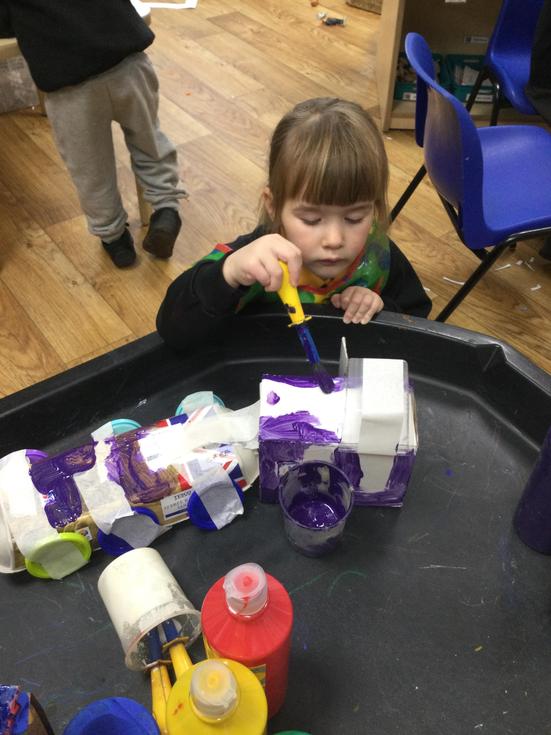
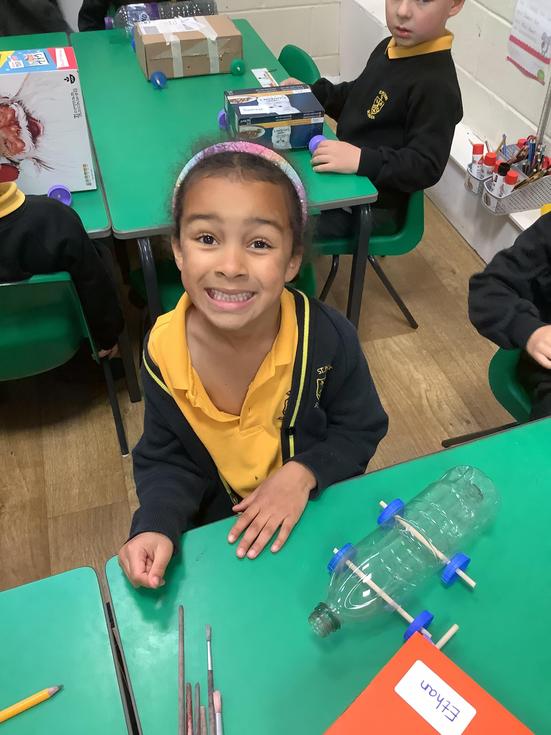
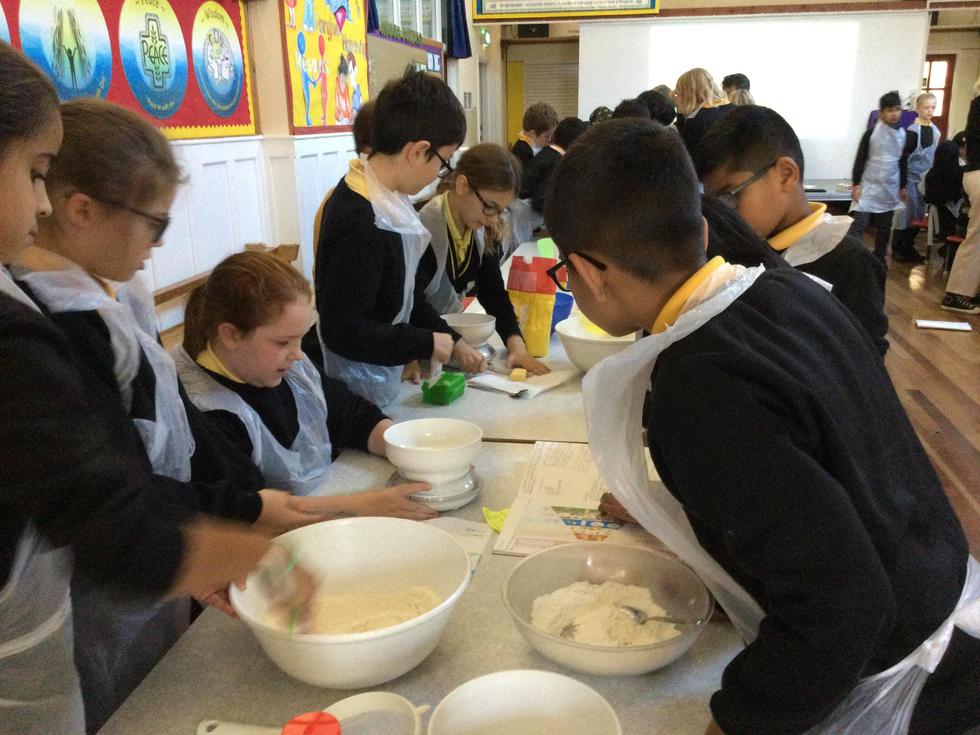
Children are able to explore the breadth and depth of the Design and Technology curriculum through the use of Kapow Primary's Design and Technology curriculum. This scheme enables and fosters children’s natural curiosity and promotes problem-solving, creativity and communication. Our Design and Technology lessons excite, promote and sustain children’s interest when children design, make and evaluate products for a purpose and enable children to reflect on and evaluate their learning.
Impact
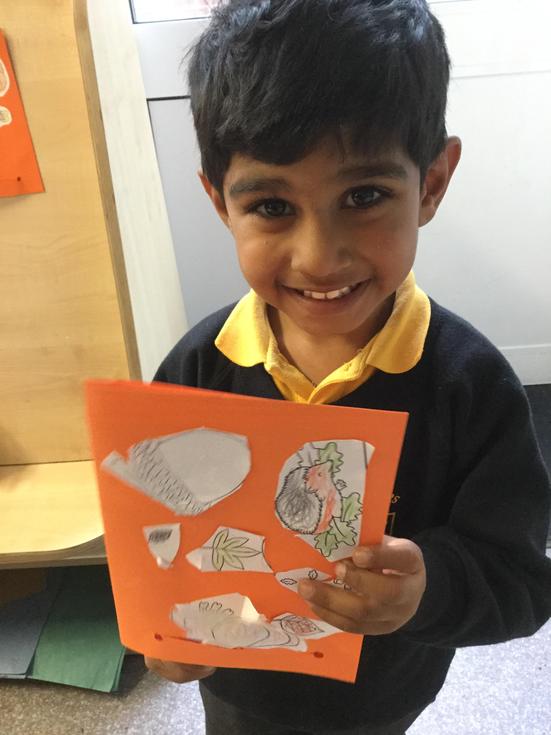
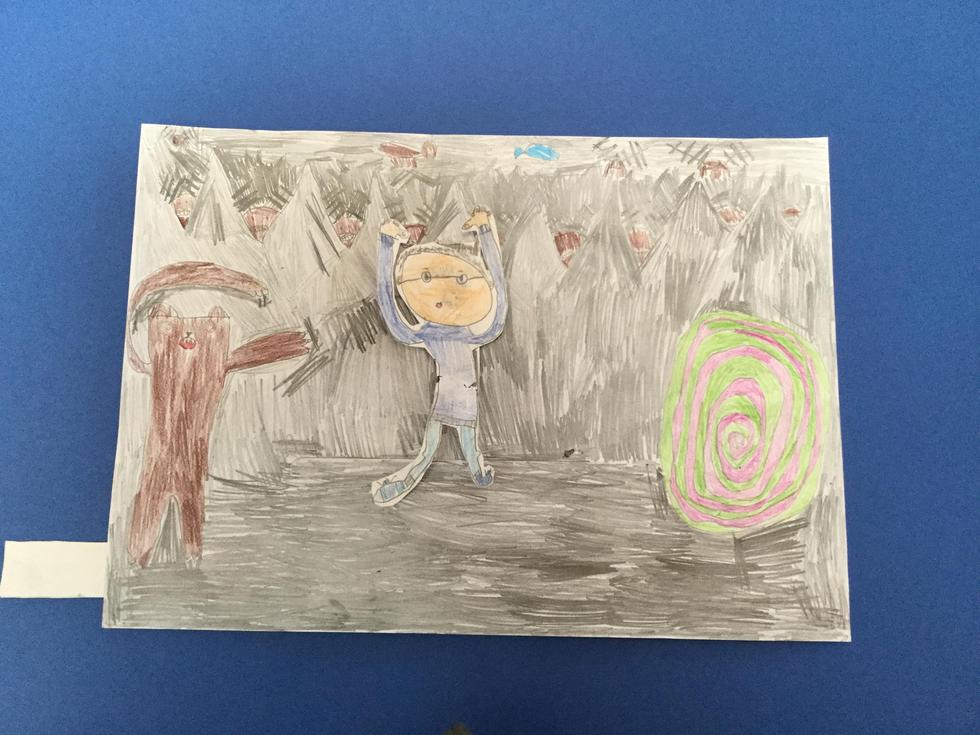
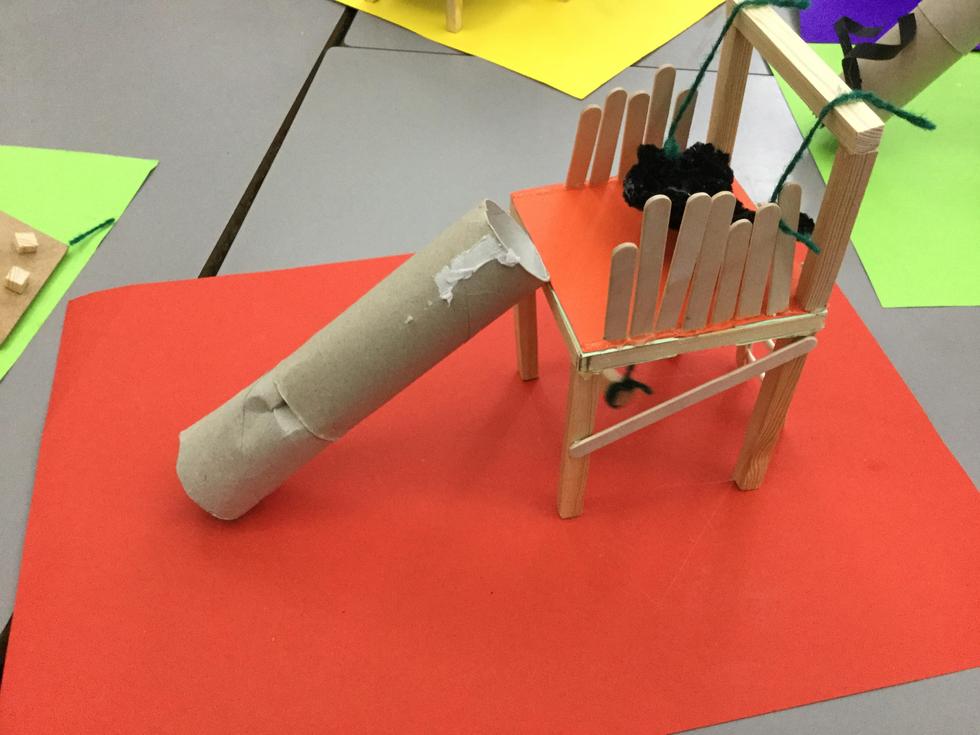
Kapow Primary’s D&T lessons include ongoing assessment opportunities, such as questioning, retrieval practice and interactive activities. These enable teachers to assess understanding in real time and adapt their teaching accordingly. Every lesson begins with a ‘Recap and recall’ section, which gives pupils the opportunity to practice retrieving key knowledge relevant to the forthcoming lesson. This section allows teachers to make informal judgements about whether pupils have retained prior learning and are ready to progress. The ‘Assessing progress and understanding’ section in each lesson helps teachers to identify those pupils who are secure in their learning or working at a greater depth. Each unit of work assesses children’s understanding and retention of key knowledge using an assessment quiz with multiple-choice and open-ended questions. Design Technology is also monitored by the subject leader throughout the year in the form of book monitoring, looking at outcomes and pupil interviews to discuss their learning and understanding and establish the impact of the teaching taking place. Our children’s creations and achievements are celebrated in class and whole school displays.
Kapow
As a school, we have chosen to use the Kapow Primary scheme of work to support the teaching and learning of Design and Technology from Reception through to Year 6. Having explored different approaches and resources, I believe Kapow offers an exceptionally strong, engaging and well-structured approach to delivering a high-quality DT curriculum.
One of the greatest strengths of Kapow is the clear progression of knowledge and practical skills throughout school. Rather than children simply completing a different making activity each year, the curriculum is carefully structured around four key areas: Design, Make, Evaluate and Technical Knowledge. This ensures that children develop a deeper understanding of the design process, gradually building their confidence, independence and technical ability as they move through the year groups.
I particularly value the practical, hands-on nature of the scheme. Design and Technology should be an exciting, purposeful subject where children have opportunities to explore materials, investigate how things work, experiment with different techniques and turn their own ideas into real products. Kapow provides meaningful opportunities for children to do exactly this. The projects are engaging, age-appropriate and give children a genuine sense of achievement when they see their ideas come to life.
Another significant strength is the support it provides for teachers. The detailed lesson plans, presentations, demonstrations and subject knowledge guidance help teachers deliver lessons with confidence, even if they do not have a specialist background in DT. This is particularly important in ensuring consistency across the school and making sure that all children receive high-quality teaching, regardless of their year group.
I also feel that Kapow strikes an excellent balance between providing structure and allowing teachers the flexibility to adapt learning to suit their children and available resources. Compared with more traditional planning resources, such as Projects on a Page, Kapow offers a more comprehensive, ready-to-teach package, with a clear sequence of lessons and supporting resources all in one place. This makes implementation much more manageable and allows teachers to focus on the quality of teaching and learning rather than spending excessive time creating resources.
Most importantly, I believe Kapow helps children understand that Design and Technology is about much more than making something that looks attractive. It is about thinking creatively, solving problems, making decisions, overcoming challenges and learning from mistakes. It encourages children to become curious, resourceful and resilient learners who understand that the first idea is not always the final solution.
As subject leader, I am particularly excited about the consistency and progression that Kapow brings to our DT curriculum. I want our children to leave primary school with a broad range of practical experiences, a secure understanding of the design process and the confidence to approach new challenges creatively. I believe Kapow provides an excellent foundation for achieving this.